
Turning Point USA’s ‘All-American Halftime Show’: A Conservative Response That Missed the Mark
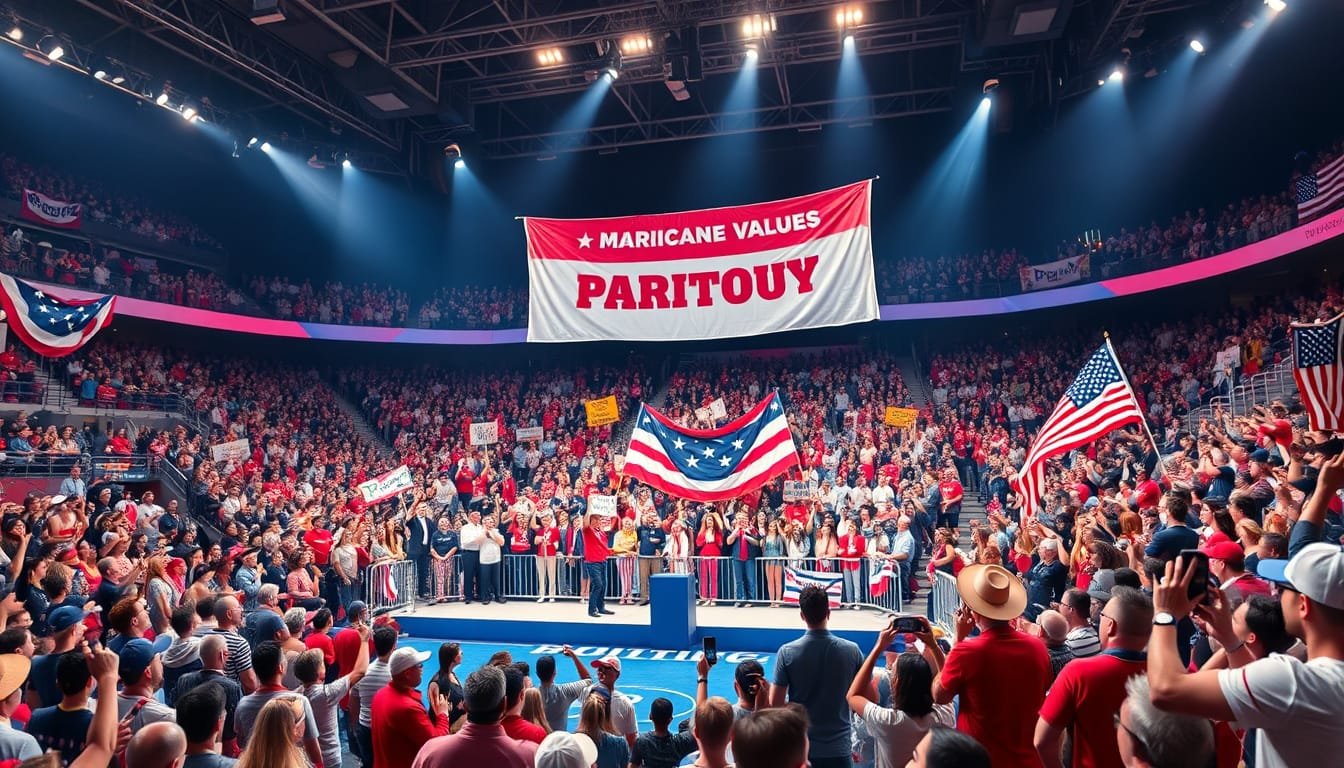
In a bold attempt to create a counter-narrative to the vibrancy of pop culture, Turning Point USA (TPUSA) organized ‘The All-American Halftime Show’ as a conservative alternative to Bad Bunny’s electrifying Super Bowl LX performance. While Bad Bunny dazzled millions with his energy and multicultural embrace, the TPUSA event, featuring recognizable names like Kid Rock and other country artists, appeared to miss its mark, leaving many questioning whether it successfully resonated with its target audience. In this article, we will explore the contrasting entertainment value of both performances, key highlights from the halftime show, and the lack of impactful political messaging that characterized the event.

Turning Point USA

Key Takeaways

  • Turning Point USA’s ‘All-American Halftime Show’ failed to resonate with audiences compared to Bad Bunny’s celebrated performance.
  • The event featured lackluster performances and minimal political messaging, failing to engage viewers effectively.
  • Despite significant promotional efforts, TPUSA’s show struggled to attract a live audience and was overshadowed by Bad Bunny’s success.

Contrast in Entertainment Value: Bad Bunny vs. TPUSA

In a striking contrast of entertainment value, the Super Bowl LX halftime show featuring global sensation Bad Bunny has set the stage for a varied response from the conservative landscape, exemplified by Turning Point USA’s (TPUSA) attempt at counterprogramming through ‘The All-American Halftime Show.’ Bad Bunny’s performance was a vibrant celebration of Latin music, praised for its energy and cultural reach, captivating millions with his dynamic stage presence. In stark opposition, TPUSA’s event, intended to resonate with conservative viewers through acts like Kid Rock, fell disappointingly short of expectations. Despite claims of a wide online viewership, in-person attendance was a meager 200 souls, highlighting a disconnection from the audience the organizers aimed to engage. Kid Rock’s performance, marked by a lackluster lip-sync of his iconic track ‘Bawitdaba,’ transitioned into ballads with minimal political messaging, leaving many attendees unimpressed. Moreover, guest artists Brantley Gilbert and Lee Brice contributed to the lineup, with the latter stirring controversy through his lyrics addressing sensitive gender issues. The event aimed to honor TPUSA’s late founder Charlie Kirk; however, the absence of his widow raised eyebrows. The political commentary, spearheaded by conservative pundits, felt overshadowed by the glitz and glamour of Bad Bunny’s show, with former President Trump’s criticism of the latter underscoring the contrasting appeal of both performances. Ultimately, the TPUSA event showcased the perils of poor execution in event planning, failing to match the high entertainment value exemplified by Bad Bunny, whose halftime show is now celebrated as a cultural milestone.

Key Performances and Political Messaging at the Halftime Show

The TPUSA halftime show attempted to leverage conservative themes, featuring performances that were expected to resonate with its audience. However, as the event unfolded, the lack of a coherent message became apparent. Kid Rock referenced the strengths of American values, yet his execution seemed more a rehash of familiar hits than a rallying cry for a cause. The performances, while reflecting a strong desire to promote conservative principles, fell victim to a hesitant audience and contrasting entertainment styles. Attendees seemed more focused on the spectacle of Bad Bunny than the messages being dispersed at the TPUSA gathering. This starkly illustrated a broader cultural divide, where the urgency of political discourse collided with the need for engaging entertainment, ultimately leaving many questioning the effectiveness of political messaging within a performance-driven format.