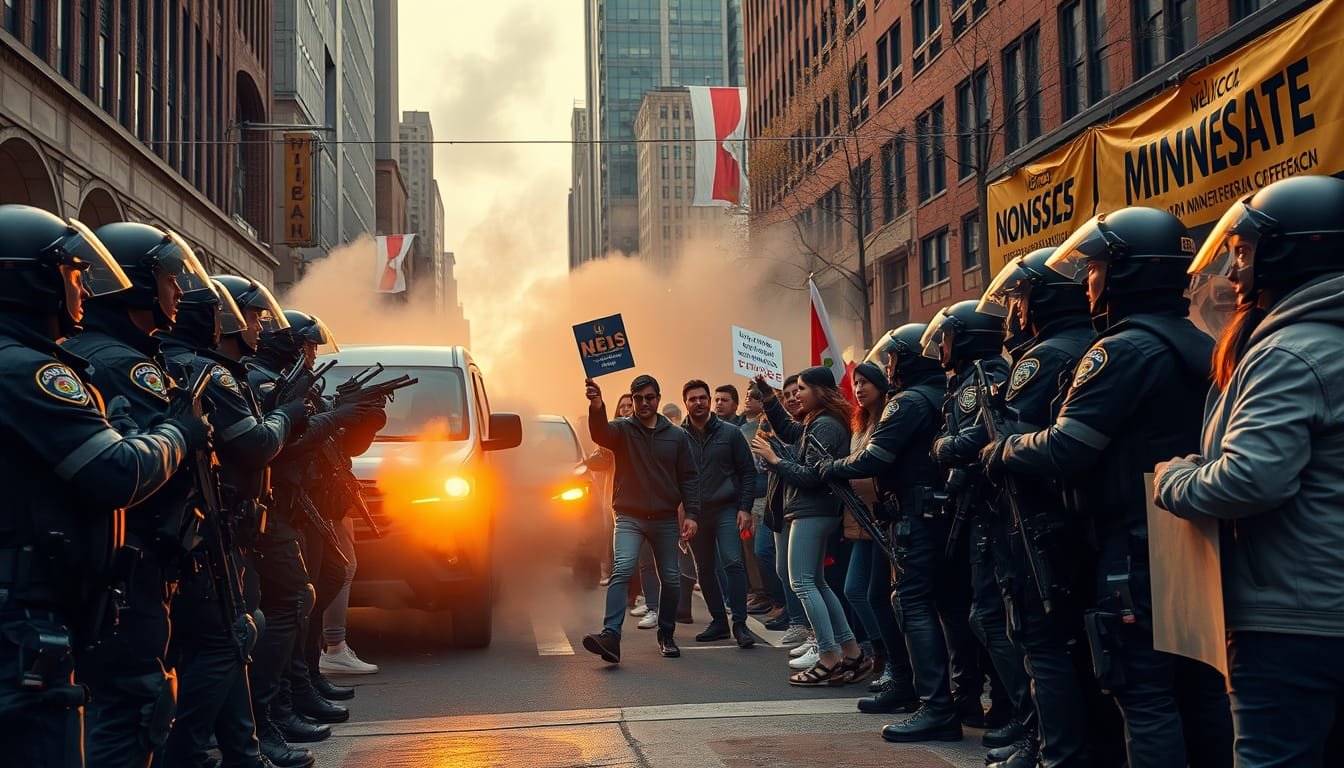







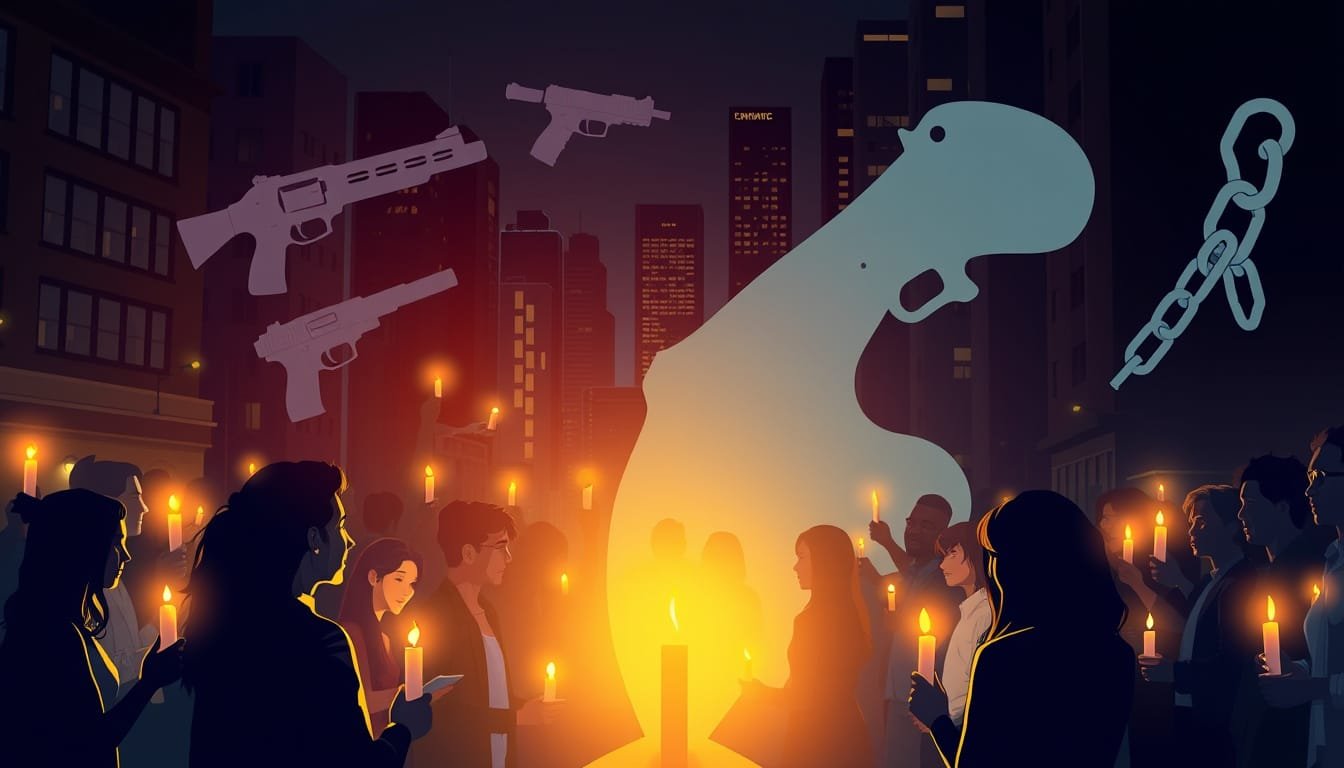
The tragic killing of Alex Pretti by Border Patrol agents in Minneapolis has ignited a complex and contentious debate surrounding gun rights and the narratives used to frame such incidents. As details surrounding the incident emerge, notable political figures, including Donald Trump and Homeland Security Secretary Kristi Noem, have sought to portray Pretti as a ‘domestic terrorist,’ casting doubt on his right to bear arms during a protest. This article delves deep into the aftermath of Pretti’s death, examining how various factions within the gun rights community and broader political landscape are responding to this incident, which has become a flashpoint for discussions around Second Amendment rights, law enforcement, and the politics of gun advocacy.

Key Takeaways
- The killing of Alex Pretti by law enforcement has sparked a divisive narrative among gun rights advocates, influenced by political figures labeling him a ‘domestic terrorist.’
- Many in the gun rights community have shifted responsibility onto Pretti, questioning the wisdom of his armed presence at a protest, contrary to their previous support for armed actions in similar contexts.
- The situation underscores the fractures within gun rights advocacy, revealing how political alignment can influence responses to incidents involving firearms and law enforcement interactions.
The Justification of Force: Political Narratives in the Aftermath of Pretti’s Killing
In the wake of Alex Pretti’s tragic killing by Border Patrol agents in Minneapolis, a complex and contentious narrative has emerged, particularly among right-wing gun advocates and political figures. The incident has sparked a significant discussion on Second Amendment rights, especially as notable leaders, including former President Donald Trump and Homeland Security Secretary Kristi Noem, have labeled Pretti as a ‘domestic terrorist’ while questioning the legitimacy of his firearm possession. However, video evidence suggests that Pretti was not exhibiting his weapon aggressively, as he was assisting another individual when the shooting occurred. This juxtaposition has prompted a tumultuous reaction within the gun rights community, with some supporters implicating Pretti in his own fate due to his armed presence at a protest. Influencers within the firearms sector have echoed these views, arguing that engaging with law enforcement while armed was an unwise decision. This narrative starkly contrasts with the earlier celebrations of figures like Kyle Rittenhouse, who garnered support for similar actions. Such inconsistencies have not only revealed rifts within gun rights advocacy but have also drawn criticism from both extremist factions and proponents of the Second Amendment who feel that the core principles are being compromised. As discussions continue, the evolving debate reflects a broader struggle over the interpretation of gun rights, the role of law enforcement, and the political narratives that shape these critical conversations.
Shifting Loyalties: The Gun Rights Community’s Response to the Incident
As the debate over gun rights intensifies in the aftermath of Alex Pretti’s death, it is essential to examine how various factions within the gun rights community are grappling with the implications of this incident. The division is stark: some members have embraced a narrative that positions Pretti’s actions as reckless, holding him partially responsible for the consequences he faced, while others assert that this line of reasoning undermines the fundamental tenets of the Second Amendment. Influencers and commentators on pro-gun platforms have voiced concerns about the perceived dangers of confronting law enforcement while armed, invoking a cautionary tale in contrast to the glorification often bestowed upon individuals like Rittenhouse. This ideological schism not only highlights the differing values held by these advocates but also raises critical questions about the future of gun rights advocacy and its relationship with law enforcement. With tensions escalating and discussions around armed protests becoming increasingly polarized, it is clear that the gun rights community is at a crossroads, faced with reconciling traditional beliefs with the modern political landscape.