




Meta Faces Groundbreaking Trial Over Child Safety Allegations: What It Means for Social Media Regulation

Meta Platforms Inc. is currently facing a landmark trial in New Mexico, tackling serious allegations regarding its responsibility in protecting minors from sexual exploitation on its popular platforms, Facebook and Instagram. Initiated by the state’s Attorney General, Raúl Torrez, this case is historic as it marks the first state-led legal action directly challenging Meta’s practices related to child safety. With the potential for substantial civil penalties and increased scrutiny on social media regulation, this trial could reshape how tech companies are held accountable for the safety of their young users. As the courtroom proceedings unfold, it is essential to explore what this trial means for the future of social media governance.

Meta Faces Groundbreaking Trial Over Child Safety Allegations: What It Means for Social Media Regulation

Key Takeaways

  • Meta is facing a pivotal trial over allegations of failing to protect minors on its platforms.
  • The outcome could influence future regulations on child safety standards in the tech industry.
  • Meta denies the allegations but has raised multiple motions to limit information in court, highlighting the contentious nature of the trial.

Overview of the Trial Against Meta

The trial against Meta Platforms Inc. is drawing significant attention as it unfolds in New Mexico, focusing on allegations that the tech giant has failed to safeguard minors from sexual exploitation on its widely-used platforms, Facebook and Instagram. Initiated by Attorney General Raúl Torrez, the case centers on claims that Meta’s design features and algorithms violate the state’s Unfair Practices Act, purportedly making minors vulnerable to harmful content. The state is seeking civil penalties of $5,000 per incident, which could amount to staggering fines and push Meta to implement more stringent safety measures geared towards young users. This case is especially notable as it represents the first independent state-led action against Meta concerning child safety, coinciding with a wave of lawsuits scrutinizing the impact of social media on children. In California, another significant case is delving into the addictive nature of social media, highlighting the escalating legal scrutiny faced by tech companies. While Meta contests the allegations and has not signaled a willingness to settle, it has filed various motions aimed at limiting the scope of evidence presented during the trial—to varying degrees of success. The Attorney General’s office accuses Meta of enabling minors to access explicit content and exposing them to potential abuse and exploitation. Meanwhile, Meta’s spokesperson has pushed back against these claims, asserting their commitment to user safety and suggesting that the inquiry is politically charged. As this trial progresses, expected to span up to seven weeks, the outcome could not only redefine Meta’s operational practices but also establish crucial precedents that influence future regulatory frameworks and the responsibilities of tech companies in protecting vulnerable populations.

Implications for Social Media Regulation

The implications of the trial extend far beyond Meta Platforms Inc. itself, potentially reshaping the landscape of social media regulation. As societal concerns over the safety of minors on digital platforms intensify, legislators may feel pressured to enact stricter laws governing how technology companies design their services. A ruling against Meta could lead to the establishment of mandatory safety standards, requiring tech companies to adopt more robust measures for user protection, particularly for vulnerable demographics like children. Moreover, the case could serve as a blueprint for other states looking to hold social media firms accountable for the effects of their platforms, ultimately fostering a more cautious approach among tech giants. As the trial unfolds, observers will be keenly watching not only for the verdict but also for its broader implications on future legislation and the ethical obligations of social media companies.

Turning Point USA’s ‘All-American Halftime Show’: A Conservative Response That Missed the Mark

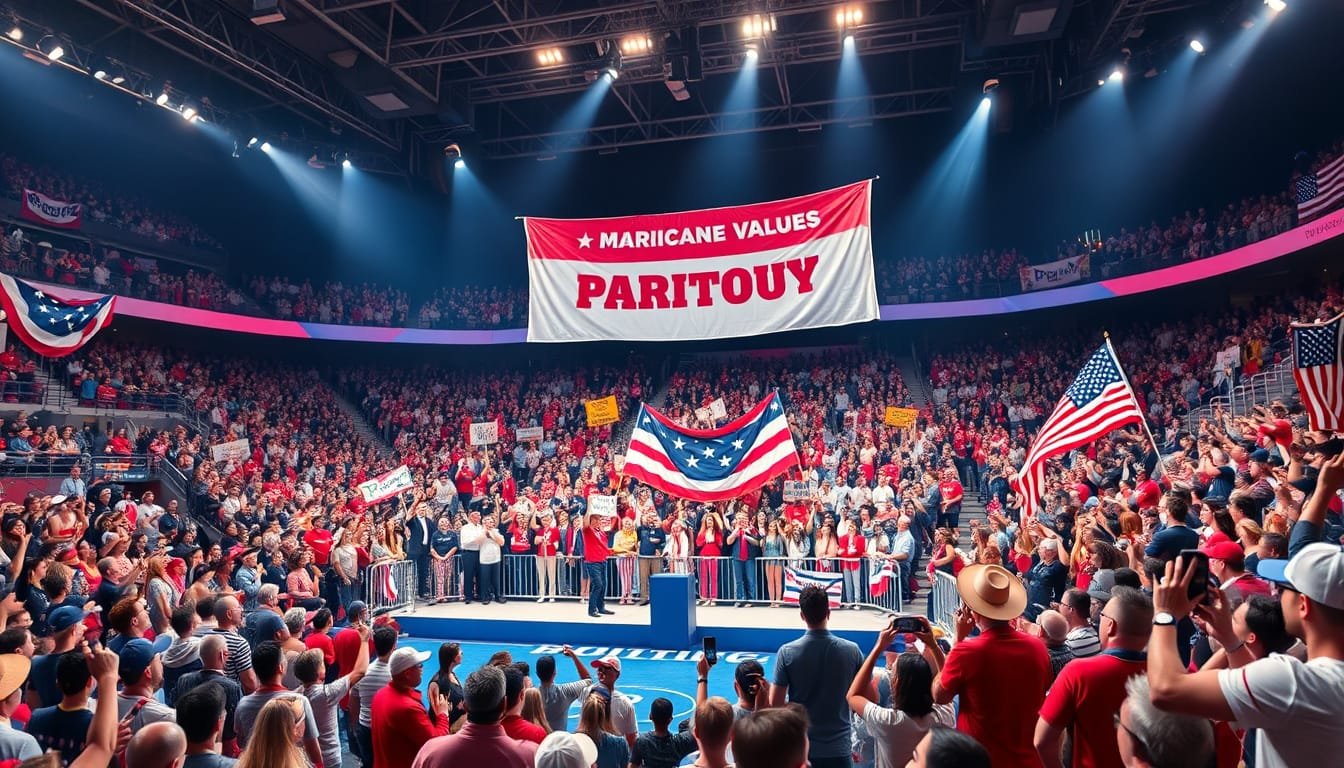
In a bold attempt to create a counter-narrative to the vibrancy of pop culture, Turning Point USA (TPUSA) organized ‘The All-American Halftime Show’ as a conservative alternative to Bad Bunny’s electrifying Super Bowl LX performance. While Bad Bunny dazzled millions with his energy and multicultural embrace, the TPUSA event, featuring recognizable names like Kid Rock and other country artists, appeared to miss its mark, leaving many questioning whether it successfully resonated with its target audience. In this article, we will explore the contrasting entertainment value of both performances, key highlights from the halftime show, and the lack of impactful political messaging that characterized the event.

Turning Point USA

Key Takeaways

  • Turning Point USA’s ‘All-American Halftime Show’ failed to resonate with audiences compared to Bad Bunny’s celebrated performance.
  • The event featured lackluster performances and minimal political messaging, failing to engage viewers effectively.
  • Despite significant promotional efforts, TPUSA’s show struggled to attract a live audience and was overshadowed by Bad Bunny’s success.

Contrast in Entertainment Value: Bad Bunny vs. TPUSA

In a striking contrast of entertainment value, the Super Bowl LX halftime show featuring global sensation Bad Bunny has set the stage for a varied response from the conservative landscape, exemplified by Turning Point USA’s (TPUSA) attempt at counterprogramming through ‘The All-American Halftime Show.’ Bad Bunny’s performance was a vibrant celebration of Latin music, praised for its energy and cultural reach, captivating millions with his dynamic stage presence. In stark opposition, TPUSA’s event, intended to resonate with conservative viewers through acts like Kid Rock, fell disappointingly short of expectations. Despite claims of a wide online viewership, in-person attendance was a meager 200 souls, highlighting a disconnection from the audience the organizers aimed to engage. Kid Rock’s performance, marked by a lackluster lip-sync of his iconic track ‘Bawitdaba,’ transitioned into ballads with minimal political messaging, leaving many attendees unimpressed. Moreover, guest artists Brantley Gilbert and Lee Brice contributed to the lineup, with the latter stirring controversy through his lyrics addressing sensitive gender issues. The event aimed to honor TPUSA’s late founder Charlie Kirk; however, the absence of his widow raised eyebrows. The political commentary, spearheaded by conservative pundits, felt overshadowed by the glitz and glamour of Bad Bunny’s show, with former President Trump’s criticism of the latter underscoring the contrasting appeal of both performances. Ultimately, the TPUSA event showcased the perils of poor execution in event planning, failing to match the high entertainment value exemplified by Bad Bunny, whose halftime show is now celebrated as a cultural milestone.

Key Performances and Political Messaging at the Halftime Show

The TPUSA halftime show attempted to leverage conservative themes, featuring performances that were expected to resonate with its audience. However, as the event unfolded, the lack of a coherent message became apparent. Kid Rock referenced the strengths of American values, yet his execution seemed more a rehash of familiar hits than a rallying cry for a cause. The performances, while reflecting a strong desire to promote conservative principles, fell victim to a hesitant audience and contrasting entertainment styles. Attendees seemed more focused on the spectacle of Bad Bunny than the messages being dispersed at the TPUSA gathering. This starkly illustrated a broader cultural divide, where the urgency of political discourse collided with the need for engaging entertainment, ultimately leaving many questioning the effectiveness of political messaging within a performance-driven format.

Revive Your Love for Darts with the Target Darts Omni Auto Scoring System: A Game-Changer for Players!

Darts has long been a beloved pastime, combining skill, precision, and a bit of friendly competition. Yet, for those like our reviewer who might not have been enthusiastic about the game, new innovations can reignite that passion. Enter the Target Darts Omni Auto Scoring System—a state-of-the-art gadget designed to revolutionize the playing experience, particularly for online gamers. This comprehensive system, featuring a smart light ring and advanced camera technology, streamlines the scoring process while providing a delightful engagement for players of all levels. In this article, we’ll delve into the features of the Omni System, detailing how it works, its installation process, and what users can expect from this game-changer in the darting world. Buckle up as we explore why this system might just transform your experience with darts!

Revive Your Love for Darts with the Target Darts Omni Auto Scoring System: A Game-Changer for Players!

Key Takeaways

  • The Target Darts Omni Auto Scoring System transforms the darts playing experience with automatic scoring and voice announcements.
  • Installation is simple and the system supports both local and online multiplayer games through the DartCounter app.
  • Despite a few minor connectivity issues, the system offers a fun and engaging way to rekindle a love for darts.

Overview of the Target Darts Omni Auto Scoring System

## Overview of the Target Darts Omni Auto Scoring System

The Target Darts Omni Auto Scoring System is revolutionizing the way enthusiasts engage with the game of darts, especially for those who enjoy online play. This innovative gadget features a sophisticated light ring equipped with four high-definition cameras that securely attaches to your dartboard, providing real-time tracking of scores through its seamless connectivity with the DartCounter app. The system not only automates scoring but also offers voice announcements that keep players informed about their points in an entertaining way. One reviewer, initially indifferent towards darts, found new excitement and relaxation in the game due to the Omni system’s engaging features.

Setting up the Omni system is a breeze with its magnetic legs for easy attachment and a straightforward power cable connection. Integration with Wi-Fi allows players to connect easily to the app, which is compatible with both Android and iOS devices. Priced at $650, the system provides several additional options, including subscription services that enhance user experience with features such as tournament play and Master Caller functionality, which are available for just $6 a month or $40 annually. This setup not only provides the chance to compete locally for free but also allows for robust multiplayer online options through the app, making it an attractive choice for both casual players and serious competitors.

However, while the Target Darts Omni system is highly praised for its accuracy and convenience, it is not without its drawbacks. The inherent cost can be a barrier for some, and there have been reports of occasional connectivity issues and firmware complications that could disrupt user experience. Additionally, players should be aware that miscounts may occur if their movements disrupt the dartboard’s visibility for the cameras. Despite these minor inconveniences, the reviewer experienced a nostalgic rush from competitive play recounting their younger days, ultimately deeming the Omni system as a worthy investment for anyone passionate about darts.

User Experience: Pros and Cons of the System

The Target Darts Omni Auto Scoring System stands out in the realm of dart-playing technology, merging traditional gameplay with modern conveniences. Designed for both casual and dedicated players, this system not only automates scoring but also enriches the overall gaming experience, making darts more accessible and engaging. Users can enjoy local games without any subscription fees, while options for online play enhance the competitive spirit. The DartCounter app allows for seamless multiplayer interactions, ensuring players can connect and compete with friends or family easily. Despite its premium price tag, which may deter some potential buyers, the features offered—including accurate scoring and a dynamic online platform—position the Omni system as a noteworthy addition to any dart enthusiast’s repertoire. Additionally, its user-friendly setup requires minimal effort, allowing players to quickly dive into their games without the headache of complicated installations.

ICE Agent Shooting Sparks Legal Battle: Defense Seeks Key Evidence in Assault Case

On January 7, 2026, a tragic incident unfolded in Minneapolis that has since ignited pressing legal discussions and questions about law enforcement practices. ICE agent Jonathan Ross shot and killed Renee Nicole Good during a targeted operation, prompting a complex web of legal ramifications, especially for Roberto Carlos Muñoz-Guatemala, who was convicted of assaulting Ross shortly thereafter. As Muñoz-Guatemala’s defense team argues their case for access to critical evidence tied to Good’s death, the implications of this legal maneuver extend far beyond a single conviction, touching upon fundamental issues in law enforcement accountability and the judicial process. This article will delve into the key details surrounding the incident, the legal implications from both sides, and the broader impact on law enforcement conduct.

ICE Agent Shooting Sparks Legal Battle: Defense Seeks Key Evidence in Assault Case

Key Takeaways

  • Defense attorneys are seeking evidence from the ICE agent’s unrelated shooting case to argue for mitigating factors in their client’s assault conviction.
  • The credibility of ICE agent Jonathan Ross’s tactics during the encounter is central to the defense’s appeal for new evidence.
  • The case raises significant discussions around law enforcement conduct and accountability, particularly regarding the actions of ICE agents.

Background of the Shooting Incident

The recent shooting incident involving ICE agent Jonathan Ross has raised significant legal and ethical questions, particularly in relation to an unrelated assault case concerning suspect Roberto Carlos Muñoz-Guatemala. On January 7, 2026, Ross fatally shot Renee Nicole Good during a targeted operation in Minneapolis, an act that has now become a pivotal point in Muñoz-Guatemala’s defense strategy. Following his conviction for assaulting Ross during an attempt to detain him, Muñoz-Guatemala’s legal team has filed a petition for access to the investigative files pertaining to Good’s death. This request is predicated on the belief that insights into Ross’s conduct and operational tactics may reveal mitigating circumstances that could significantly impact the severity of Muñoz-Guatemala’s sentence. Furthermore, the defense posits that had they been informed of the details surrounding the shooting, it may have bolstered their case by providing context on Ross’s alleged use of excessive force—a critical component during the jury’s deliberation on whether Muñoz-Guatemala understood that Ross was executing his duties as a law enforcement officer. Despite the severe implications of the incident, Ross remains uncharged and currently on administrative leave while the Justice Department has opted not to pursue criminal proceedings against him. As the defense continues to delve into these intertwined cases, the outcome not only speaks to the individual circumstances of Muñoz-Guatemala but also sheds light on broader accountability issues surrounding law enforcement practices and the risks associated with the enforcement tactics employed by ICE agents.

Legal Implications and Defense Arguments

The intertwined cases of Jonathan Ross and Roberto Carlos Muñoz-Guatemala raise essential questions about law enforcement accountability and the intersection of civil rights and criminal justice. As the defense team for Muñoz-Guatemala seeks access to files related to the fatal shooting of Renee Nicole Good, they argue that understanding Ross’s tactical decisions during the operation could be crucial to their client’s defense. This legal maneuvering highlights the complexities inherent in cases involving law enforcement officers, particularly those operating within agencies like Immigration and Customs Enforcement (ICE). It underscores how instances of alleged excessive force can ripple through the judicial system, potentially impacting not only the outcome of separate criminal cases but also raising questions regarding the broader implications for police oversight and community trust. As both cases progress, they can serve as a catalyst for critical discussions on the standards of conduct expected from law enforcement officers and the mechanisms in place to hold them accountable, especially in high-stakes situations.

Revolutionary Study Reveals How Ancient Structures Shape Earth’s Magnetic Field for Millions of Years

Recent geological research by a team from the University of Liverpool has unveiled a groundbreaking discovery concerning the Earth’s magnetic field and its connection to ancient geological structures. This study, published in the journal Nature Geoscience, highlights the influence of large low-shear-velocity provinces (LLSVPs)—massive, continent-sized formations located deep within the Earth—on the planet’s magnetic behavior over the last 265 million years. As we delve into the intricacies of these ancient structures, we will discover their role in shaping not only the magnetic field but also broader implications for understanding geological history and climate dynamics.

In this article, we will explore what LLSVPs are, how they affect the flow of liquid iron in the Earth’s core, and what this means for both the present and future of our planet’s magnetic field.

Revolutionary Study Reveals How Ancient Structures Shape Earth

Key Takeaways

  • Large low-shear-velocity provinces (LLSVPs) significantly influence Earth’s magnetic field for over 265 million years.
  • The temperature differences between LLSVPs and the surrounding mantle affect the flow of liquid iron in the core.
  • This study enhances our understanding of historical geological events and climate changes.

Understanding Large Low-Shear-Velocity Provinces (LLSVPs)

Large Low-Shear-Velocity Provinces, or LLSVPs, are fascinating structures located deep within the Earth’s mantle that play a critical role in shaping our planet’s magnetic field. Recent research from geologists at the University of Liverpool has illuminated the profound impact these continent-sized formations have had over the past 265 million years. Positioned approximately 2,900 kilometers beneath the Earth’s surface, the LLSVPs consist of denser and hotter mantle materials surrounded by comparatively cooler regions. This striking thermal differential influences the flow of liquid iron in the Earth’s outer core, an essential component for generating the planet’s magnetic field. The study, published in the esteemed journal *Nature Geoscience*, utilized advanced supercomputer simulations to explore how various mantle structures impact magnetic field dynamics. Findings reveal that the presence of LLSVPs creates asymmetrical liquid iron flow, which contributes to the irregularities seen in today’s magnetic field. This groundbreaking insight not only enhances our understanding of ancient geological processes and continental configurations, such as the formation of Pangaea, but also has implications for historical climate transitions and the exploration of natural resources. Notably, these researchers have demonstrated that the Earth’s magnetic field does not consistently align with its rotational axis, challenging previous assumptions and opening new avenues for study in geophysics and Earth sciences.

Implications of Ancient Structures on Earth’s Magnetic Field

The implications of this discovery extend beyond the realm of geophysics, as understanding the link between these deep-seated structures and the Earth’s magnetic field can provide comprehensive insights into past geological events and the formation and movement of continents. For instance, the role of LLSVPs in the magnetic field could shed light on the mechanisms behind events like the supercontinent cycle, specifically events that led to the unification and eventual fragmentation of landmasses such as Pangaea. Additionally, since the Earth’s magnetic field has a direct impact on climate patterns and the protection of the atmosphere from solar winds, unraveling its complexities could aid scientists in better understanding historical climate shifts and their influences on biological evolution and extinction events. Moreover, as modern technology often relies on accurate magnetic field behavior—from navigation systems to resource exploration—the outcomes of this research could eventually contribute to improved methods for locating natural resources and anticipating geological hazards.

Netflix’s Bold Merger Move: What Ted Sarandos Promises Regarding Prices and Competition

In the fast-evolving landscape of streaming services, Netflix’s co-CEO, Ted Sarandos, recently made headlines during a US Senate hearing, where he addressed concerns surrounding the company’s ambitious merger with Warner Bros. Discovery. With a promising vision for the future, Sarandos reassured lawmakers and subscribers alike that this merger is not intended to undermine competition or inflate subscription costs. Instead, he insists that it will foster enhanced consumer value through expanded content offerings. As the streaming market becomes increasingly saturated, this bold move raises critical questions about the state of competition and pricing in the industry. Let’s delve into Sarandos’s pledges and explore the implications of this potential merger.

Netflix

Key Takeaways

  • Ted Sarandos reassured lawmakers that Netflix’s merger with Warner Bros. Discovery will not lead to higher prices or reduced competition.
  • Sarandos highlighted the complementary relationship between Netflix and HBO Max subscribers, emphasizing a healthy competitive environment in streaming.
  • Historical price increases at Netflix have aligned with enhanced consumer value, suggesting that pricing will remain favorable post-merger.

Addressing Concerns of Monopoly Power

Addressing concerns of monopoly power has become an increasingly pressing issue in the entertainment industry, particularly in light of recent developments surrounding Netflix’s proposed merger with Warner Bros. Discovery. During a recent US Senate hearing, Netflix’s co-CEO, Ted Sarandos, tackled lawmakers’ apprehensions regarding potential impacts on competition and subscription pricing. Sarandos emphasized that the merger is designed to enhance consumer value by diversifying content without inflating prices. Despite Netflix’s slight upward adjustments in subscription fees, Sarandos highlighted the competitive streaming landscape, citing the company’s impressive subscriber count of over 301 million as evidence of strong market dynamics. A significant point of discussion was the overlap in subscriber bases, as Sarandos noted that 80% of HBO Max subscribers also have Netflix accounts, suggesting a complementarity rather than a direct competitive threat. He reinforced his position by indicating that consumers have the freedom to exit subscriptions should prices rise unreasonably, which serves as a natural check on pricing strategies. Moreover, Sarandos pointed out that historical price increases have typically coincided with enhanced services for subscribers, asserting that Netflix maintains a more favorable cost-per-view compared to its competitors. The Senate hearing also highlighted Netflix’s proactive engagement with the US Department of Justice to implement safeguards against post-merger price hikes. As the discussions surrounding the $72 billion all-cash offer continue, Netflix faces resistance from rival Paramount, which is making its bid for Warner Bros. Discovery, reflecting the intense competition that characterizes the current streaming market.

Commitment to Competitive Pricing and Consumer Value

The potential merger between Netflix and Warner Bros. Discovery has spurred significant discussion regarding the future of subscription pricing in the competitive streaming landscape. During the aforementioned US Senate hearing, Ted Sarandos reassured stakeholders that the collaboration would ultimately enhance consumer offerings without adversely affecting pricing structures. As these two giants pool their resources, the goal is to create a more diverse and rich content library that not only benefits existing subscribers but also attracts new audiences. Sarandos emphasized that the competitive pressures in the market ensure that consumers can switch services easily, underlining a pivotal aspect of the current streaming environment: transparency in pricing and consumer choice. This dynamic encourages not only innovation but also maintains competitive pricing, which ultimately serves the users best. By keeping a close watch on both their pricing strategy and content quality, Netflix aims to position themselves as a leader in consumer satisfaction in the streaming world.

Unlocking Intimacy: Justin Garcia’s Insights on Solving the Crisis of Connection in a Digital Age

In today’s fast-paced, digitally-driven world, many people are paradoxically feeling lonelier than ever before. Despite the ability to connect with others at the touch of a button, genuine intimacy remains elusive for many, particularly amongst younger generations like Gen Z. This crisis of connection is profiled in Justin Garcia’s enlightening work, ‘The Intimate Animal,’ where he explores the complexities of modern relationships and the underlying issues fostering loneliness. As a noted researcher in sex and relationships, Garcia posits that the challenges faced by individuals today stem not from a lack of sexual activity, but from a fundamental misunderstanding of intimacy and its vital role in human connections.

Unlocking Intimacy: Justin Garcia

Key Takeaways

  • Modern technology has increased connectivity but has not alleviated loneliness, particularly among younger generations.
  • Many individuals misinterpret their need for intimacy, believing they must reach a certain level of self-actualization before engaging in relationships.
  • Inadequate sex education contributes to misconceptions about intimacy, highlighting the need for better understanding in fostering healthy relationships.

The Crisis of Intimacy in the Digital Age

In the digital age, where connectivity is at our fingertips, there exists a paradoxical crisis of intimacy that affects many, particularly single adults and the younger generations such as Gen Z. Justin Garcia, an esteemed researcher in sex and relationships, sheds light on this issue in his insightful book ‘The Intimate Animal.’ He argues that despite the widespread use of digital platforms for social interaction, many individuals grapple with profound feelings of loneliness. This disconnection, he suggests, stems not from a lack of sexual activity but from a misunderstanding of our inherent need for meaningful human connections. Garcia highlights that loneliness wields significant psychological and biological consequences, contributing to heightened stress levels and diminished social behaviors, which in turn hinder the ability to forge genuine relationships. Intriguingly, while many Gen Z individuals long for romantic partnerships, they often feel unprepared or plagued by self-doubt, believing that they must first achieve complete self-actualization before venturing into dating. This mindset can be detrimental, as it overlooks the vital role relationships play in personal growth and emotional support. Furthermore, Garcia addresses the current so-called ‘sex recession,’ framing the decline in sexual activity not as a setback but as a reflection of a more discerning approach to intimacy—prioritizing quality over frequency. He also critiques the influence of adult content on sexual literacy, elucidating how a lack of comprehensive sex education can propagate misconceptions about intimacy and consent. Ultimately, Garcia contends that many singles lament their inadequate sex education and emphasize the need for better understanding and communication about relationships and intimacy in today’s socio-political climate, highlighting the urgent need to address this intimacy crisis.

Understanding the Role of Education in Fostering Healthy Relationships

In light of these observations, it becomes clear that education plays a pivotal role in shaping our understanding of intimacy and relationships. Comprehensive sex education programs that go beyond basic biology are essential for equipping individuals with the tools necessary to navigate their emotional landscapes. These programs should include discussions about emotional intelligence, consent, and healthy communication strategies—elements critical for fostering meaningful connections. Garcia underscores the idea that the quality of our relationships significantly impacts our well-being; therefore, educational initiatives must aim not just at academic knowledge but at cultivating empathy, respect, and mutual understanding. By instilling these values from a young age, we can empower future generations to engage in healthier, more fulfilling relationships, reducing the sense of loneliness that pervades contemporary society. Moreover, creating safe spaces for discussion around intimacy can help dismantle the stigma associated with vulnerability, encouraging individuals to share their experiences and learn from one another. Understanding the importance of emotional connections lays the groundwork for stronger societal bonds and ultimately enhances our collective emotional health.

Revealed: The Shocking Links Between Peter Thiel and Jeffrey Epstein’s Dark Past

The recent release of documents by the Department of Justice has ignited a firestorm of controversy surrounding the ties between Silicon Valley mogul Peter Thiel and the late Jeffrey Epstein. Known for his significant contributions to technology and finance as a co-founder of PayPal and Palantir, Thiel’s numerous mentions—over 2,200 times—within these files raise pertinent questions about his relationship with Epstein, a convicted sex offender whose criminal activities have long haunted public discourse. This article dives deep into the implications of Thiel’s associations, their communications regarding personal matters, and the broader repercussions of these revelations.

Revealed: The Shocking Links Between Peter Thiel and Jeffrey Epstein

Key Takeaways

  • Peter Thiel maintained extensive contact with Jeffrey Epstein between 2014 and 2017, despite Epstein’s notorious past.
  • Thiel’s strict dietary preferences were shared confidentially with Epstein, indicating a personal connection.
  • Epstein invested $40 million in Thiel’s funds, highlighting a significant financial relationship.

The Depth of Peter Thiel’s Involvement with Jeffrey Epstein

The recent uncovering of communications between notorious financier Jeffrey Epstein and Silicon Valley titan Peter Thiel has sparked significant interest and debate. Thiel, co-founder of PayPal and Palantir, appears over 2,200 times in documents released by the Department of Justice, highlighting a connection that persisted from 2014 to 2017, despite Epstein’s well-documented criminal activities. Notably, one intriguing piece of correspondence details Thiel’s stringent dietary restrictions, marked as ‘CONFIDENTIAL,’ outlining his approved consumption of select fish, animal proteins, and very few vegetables, while entirely avoiding fruits, dairy, gluten, and processed foods. This reveals not just personal preferences but offers a glimpse into Thiel’s meticulous lifestyle. Moreover, Epstein reportedly invested around $40 million in two of Thiel’s funds during 2015 and 2016, with their communications extending into early 2019, shortly before Epstein’s infamous demise. The nature of their interaction raises eyebrows, particularly with Epstein’s remarks regarding Thiel’s demeanor, hinting at a complex and possibly unusual relationship that merits closer examination in the broader context of investments and personal connections.

Implications of Their Relationship Amidst Epstein’s Scandals

Investigating the implications of the relationship between Peter Thiel and Jeffrey Epstein opens up a multitude of questions about the interplay of power, influence, and ethics in the business world. Thiel’s involvement with Epstein, despite the latter’s notorious background, raises concerns regarding the decision-making processes of influential figures in Silicon Valley. The depth of their communication, notably around significant financial dealings such as Epstein’s $40 million investment in Thiel’s funds, underscores how personal relationships can intersect with business interests. Additionally, the curious remarks from Epstein regarding Thiel’s behavior prompt speculation about the dynamics at play; were they mere acquaintances, or did they share a more intricate alliance? As the public grapples with the ramifications of Epstein’s legacy, understanding the connections he fostered with high-profile individuals like Thiel becomes essential, leading us to ponder the impact of such relationships on both their personal and professional lives. This narrative not only encapsulates the ethical debates surrounding accountability among the elite but also reflects on how seemingly private interactions can have far-reaching consequences in the financial and social realms.

The Art of Affordable Watch Collecting: Discover Quality Timepieces Under $350

Watch collecting is often viewed as an exclusive hobby reserved for the affluent, but the truth is that building a stunning watch collection on a budget is entirely feasible. In today’s market, a plethora of brands offers remarkable timepieces under $350 that combine quality craftsmanship with stylish designs, allowing enthusiasts to venture into the world of horology without breaking the bank. In this article, we will not only uncover some of the best affordable watches available but also explore the evolution of budget timepieces, showcasing how they gracefully incorporate elements from their luxury counterparts. Prepare to discover an impressive array of watches that cater to diverse tastes, all while maintaining affordability.

The Art of Affordable Watch Collecting: Discover Quality Timepieces Under $350

Key Takeaways

  • Affordable watches can provide quality and craftsmanship similar to luxury models.
  • There is a diverse range of stylish timepieces available for under $350, including dress and diver watches.
  • Collecting on a budget opens up the possibility of exploring various styles without compromising on quality.

Exploring Quality Timepieces Under $350

## Exploring Quality Timepieces Under $350

Building a watch collection on a budget is not only possible but can lead to an impressive assortment of timepieces without excessive spending. Today’s affordable watches have evolved, with many brands incorporating design elements from luxury models while maintaining quality, reliability, and aesthetics. This article highlights various watches under $350, showcasing options ranging from elegant dress watches and stylish divers to retro digital models that cater to diverse tastes and occasions.

For instance, the Hamilton Khaki Field Mechanical is renowned for its rugged craftsmanship, making it a perfect companion for outdoor enthusiasts, while the Orient Bambino shines with its elegant design, making it suitable for formal settings, proving that you don’t need to break the bank for sophistication.

Another standout is the innovative collaboration of Omega with Swatch on the MoonSwatch, which has gained immense popularity for its stylish appearance and modern appeal at a low price point cherished by watch enthusiasts. The market also features budget-friendly gems like the Freestyle Shark Classic, a nostalgic surf watch priced at just $70, offering both style and a relaxed vibe. Additionally, the iconic Casio F-91W, a digital timepiece, showcases its versatility as it can be upgraded to mimic smartwatch functionality, merging classic style with modern technology seamlessly.

Moreover, the Rotate North Atlantic diver is celebrated for its exceptional functionality and durability, making it a reliable tool watch meant for those who enjoy precision and performance. As we enter what many enthusiasts refer to as a ‘golden age of affordable horology,’ collectors are urged to explore these accessible options while also considering practical watch storage solutions, such as the Nanuk waterproof case, which ensures protection for their eclectic collection.

In conclusion, embarking on the journey of collecting watches on a budget not only opens the door to a diverse and stylish world of horology but also allows you to do so without compromising on quality or design.

Top Affordable Watch Picks for Every Style

The current landscape of affordable watches has transformed dramatically, allowing enthusiasts to curate a diverse collection that reflects personal style without straining their wallets. Brands are now crafting timepieces that mimic the aesthetics of luxury models, offering both visual appeal and solid functionality. When diving into this exciting realm, options such as the Seiko 5 series provide exceptional automatic movements and are known for their reliability. Furthermore, watches like the Timex Marlin combine vintage charm with contemporary design, bridging the gap between past and present, making them great additions for any watch collector. Ultimately, the surge in affordable watch options empowers both novice collectors and seasoned aficionados to explore an ever-evolving selection that meets their lifestyle needs.